July 23, 2026
The rise of digital organizations has transformed how businesses operate, offering unprecedented flexibility and connectivity. However, the value of physical meeting spaces remains irreplaceable. Here, we explore the reasons why digital organizations still benefit from maintaining physical meeting spaces. Digital platforms provide convenience, but they often miss the subtle nuances of human interaction that can only be captured in person. As we navigate a future that increasingly intertwines digital and physical realms, keeping a balance becomes crucial.
Enhancing Team Collaboration
Facilitating Personal Interaction
Physical meeting spaces provide an environment where personal interactions can thrive. While digital platforms offer communication tools, they fall short in replicating the organic interactions that occur naturally in physical settings. When team members gather face-to-face in a dedicated meeting room, they can engage more genuinely, interpreting body language and tone with greater accuracy. Trust and camaraderie are often easier to build in person. According to Cvent, 70% of meeting planners expect the number of in-person meetings to rise by up to 20% by 2026, emphasizing the ongoing value of these gatherings.
Nurturing Team Dynamics
Team dynamics are greatly enhanced in physical environments because personal interactions contribute to both cohesion and motivation. Being in the same room fosters a sense of community, helping teams to better understand each other's roles and contributions. Physical presence encourages spontaneous conversation that might not occur during scheduled virtual meetings. These dynamic interactions can break down silos and invite participation from all members, cultivating a richer team culture. In physical spaces, the intangible elements of effective teamwork, such as energy and enthusiasm, come alive.
Encouraging Active Participation
In physical meeting spaces, team members are more engaged and less likely to succumb to the passive involvement often seen in virtual meetings. Side conversations, visual cues, and hands-on interactions are more easily facilitated when everyone is in the same location. This environment leads to dynamic discussions where individuals feel more accountable and compelled to contribute. The simple act of being present in a meeting room where discussions are taking place prompts more active listening and participation. As a result, meetings become more productive and inclusive.
Boosting Productivity
Minimizing Digital Distractions
Physical meeting spaces allow attendees to escape the digital distractions that often plague virtual meetings, such as notifications and multitasking. Dedicated environments can serve as a sanctuary, removing common digital disruptions and promoting focused attention. Participants are more likely to be fully engaged and less prone to divide their attention across multiple online channels. This setting fosters a space where tasks are accomplished more efficiently, with fewer interruptions. As employees face increasing digital noise, physical meetings provide a reprieve that boosts productivity.
Creating a Focused Environment
A dedicated physical meeting space naturally encourages focus, serving as a boundary between work and other activities. Attendees gather with a clear understanding of the meeting’s purpose, objectives, and expected outcomes. In a professional meeting room environment, distractions are minimized, allowing participants to fully immerse themselves in the meeting's agenda. This shared focus often leads to more concise and effective discussions. The act of convening in a physical room helps reinforce the importance of collective attention and commitment.
Supporting Structured Workflows
Physical meeting spaces can streamline workflows by establishing clear structures and contexts for activities. With the right design, these spaces can provide the necessary tools and resources right at hand, allowing meetings to proceed without the technical hiccups often encountered in digital environments. A well-organized meeting room prepares participants for a seamless flow of information and action. Structured environments lead to more efficient meetings, aiding in achieving objectives more swiftly and thoroughly. Efficient use of time directly contributes to overall productivity, benefiting organizations at large.
Encouraging Accountability
The communal nature of physical meetings often instills a heightened sense of accountability among participants. Knowing that one’s task performance is immediately visible to others can influence people to prepare more thoroughly and engage more robustly. Face-to-face interactions naturally hold individuals more accountable for their contributions to a meeting. Consequently, participants often exhibit a greater sense of responsibility toward meeting objectives. This sense of accountability fosters a productive environment where commitment to goals is more tangible.
Facilitating Effective Communication
Encouraging Open Conversations
Open, sincere discourse is more easily achieved in a supportive and welcoming physical environment. In-person settings promote open dialogue where individuals feel safe to share thoughts and ideas. The nuances of vocal tone and demeanor enable participants to better assess sincerity and intent. Physical meetings reintroduce the sense of community and belonging that fosters trust and openness. As digital workplaces aspire to transparency and creative exchange, maintaining such environments is essential.
Improving Non-verbal Understanding
Non-verbal communication often conveys as much information as verbal communication, and in-person meetings maximize this potential. Observing body language, facial expressions, and tone of voice contributes to a fuller understanding of the speaker's message. This comprehensive understanding leads to deeper connections and more effective problem solving. Non-verbal cues often guide the conversation and refine the dynamics among participants. Ensuring mutual understanding is crucial, particularly when complex or sensitive issues are discussed.
Facilitating Cross-departmental Meetings
When departments converge in a shared physical space, it promotes the cross-pollination of ideas and perspectives that boost innovation. Gathering multiple teams together in a single meeting room encourages a synthesis of knowledge, fostering collaboration across many functional areas. The chance for informal discussions during breaks and after meetings can open avenues for unexplored, innovative solutions. Meetings that bring together varied departments can lead to projects and ideas that benefit from diverse skill sets and viewpoints. Facilitation of cross-departmental synergy is greatly enhanced by in-person interactions.
Providing Flexibility in Operations
Supporting Hybrid Work Models
Physical meeting spaces provide the flexibility required by the hybrid work models many organizations are adopting. Hybrid models demand adaptable environments, and having access to a reliable meeting room allows teams to shift seamlessly between remote and in-person work. These versatile environments support diverse work needs, accommodating both team gatherings and individual tasks. They play a critical role in ensuring seamless integration between remote and physical presence within an organization. Supporting hybrid models through accessible meeting spaces balances the needs and preferences of the modern workforce.
Offering Alternative Meeting Formats
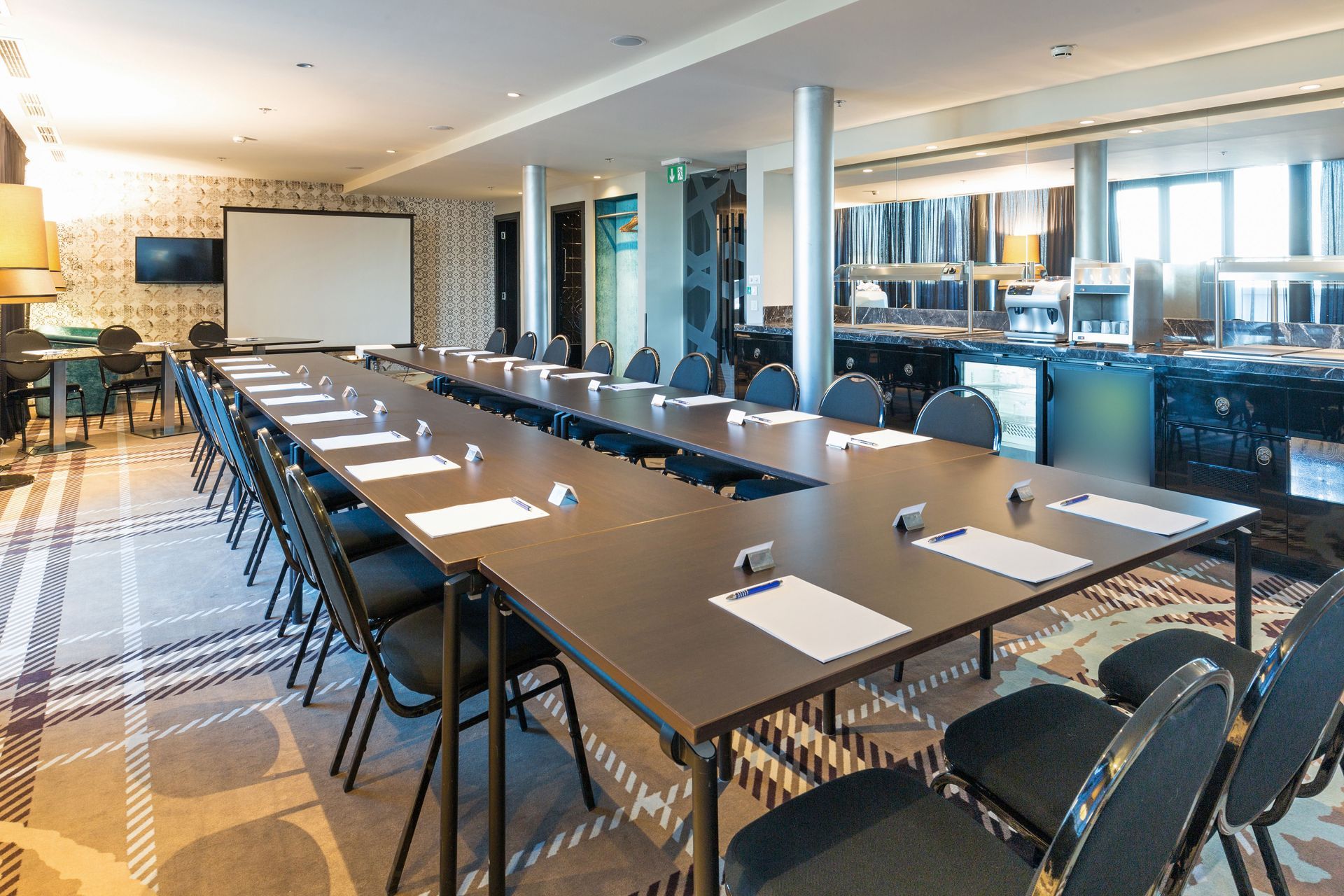
Physical meeting spaces offer diverse configurations that are ideal for various meeting formats, from brainstorming sessions to formal presentations. The ability to reconfigure a meeting room supports different styles of communication and interaction based on meeting objectives. These accommodations enable organizations to tailor the meeting environment to optimize focus and engagement. Moreover, physical spaces ensure essential resources, such as audio-visual equipment and presentation tools, are readily available. Flexibility in meeting formats bolsters effectiveness and creativity within teams.
Accommodating Technical Needs
Technology integration in physical meeting spaces enhances the overall meeting experience, providing robust support for collaborative work. Sophisticated communication tools and infrastructure ensure smooth interactions, reducing technical frustrations that often accompany digital-only gatherings. The availability of advanced technical resources in dedicated spaces elevates meeting quality. Likewise, on-site technical support minimizes disruptions and keeps discussions on track. Well-equipped meeting rooms serve as an asset to technologically driven digital organizations.
Ensuring Business Continuity
Establishing physical meeting spaces is a strategy for ensuring business continuity during disruptions in digital communication. When virtual platforms experience outages or other issues, in-person spaces allow work to continue unimpeded. Having a reliable fallback solution increases organizational resilience, keeping projects moving forward despite unforeseen circumstances. These spaces serve as a crucial component of business contingency planning. Preparedness for various scenarios is vital for sustaining operations and mitigating risks in a rapidly evolving business landscape.
While digital connectivity offers undeniable convenience, physical meeting spaces remain a vital asset for modern organizations looking to maximize their potential. Utilizing a physical meeting room acts as a powerful antidote to digital fatigue, providing a distraction-free sanctuary that boosts accountability, encourages active collaboration, and unlocks crucial non-verbal communication. With a majority of meeting planners preparing for a steady rise in face-to-face gatherings, forward-thinking organizations must realize that long-term innovation and deep team culture rely on a deliberate, healthy balance between the digital and physical realms. If your digital organization is ready to harness the power of face-to-face collaboration, it's time to choose a venue designed for seamless connection. Elevate your next corporate function, cross-departmental strategy session, or business conference at Georgios Banquets, Quality Inn & Suites Conference Centre